Professional Dunellen General Contractor with Skilled Craftsmanship
Professional Dunellen General Contractor with Skilled Craftsmanship
Blog Article
Why Picking the Correct General Contractor Is Critical for Your Project
Choosing the right construction professional is a crucial decision that can significantly influence a project's success. A qualified contractor ensures effective management and adherence to budgets. Their ability to navigate challenges and maintain clear communication is vital. However, many project stakeholders ignore critical factors in this selection procedure. Comprehending these components can lead to improved results and greater contentment. What should one consider when determining this significant choice?
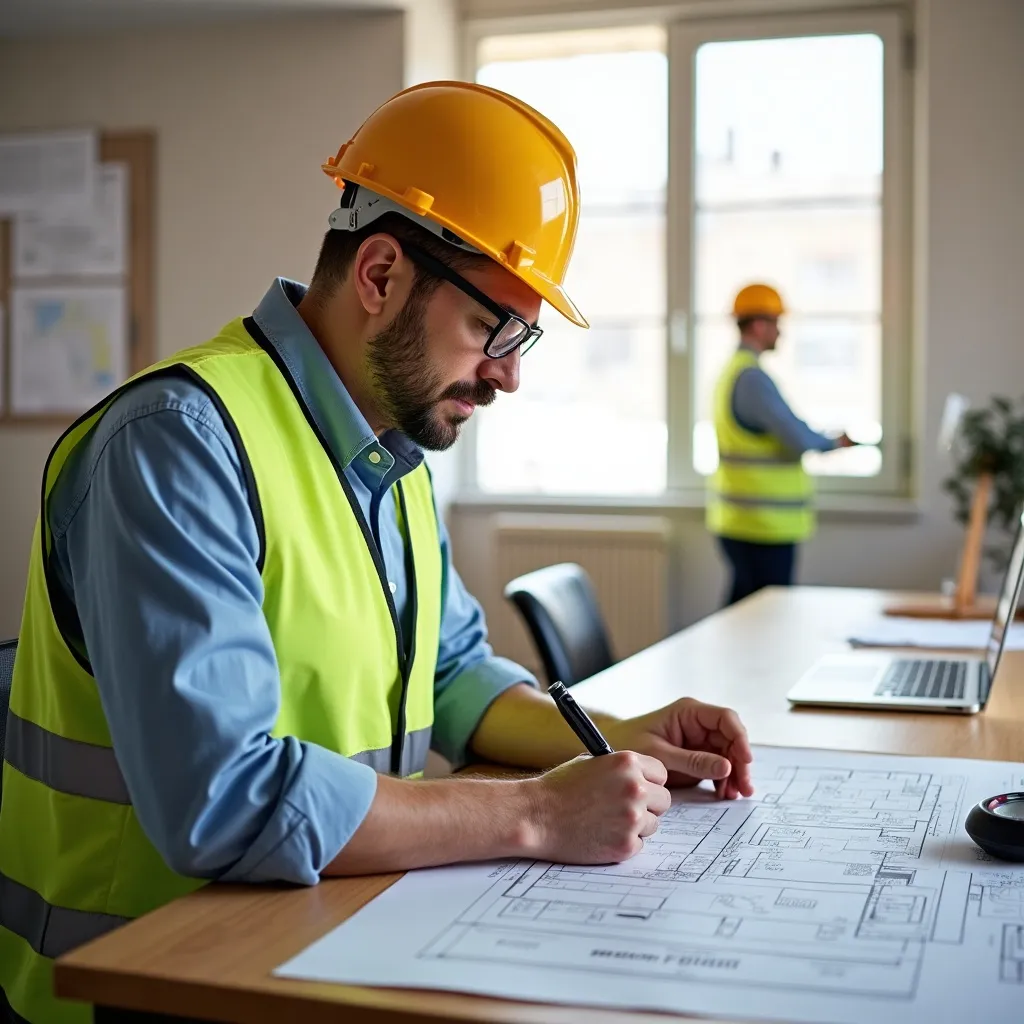
Regular Complications in Selecting a General Project Lead
When selecting a general contractor, potential clients often face numerous typical difficulties that can hinder the selection process. One major obstacle is the vast quantity of choices on offer, which can lead to uncertainty and hesitation. Clients may find it hard to distinguish among contractors based on credentials, background, and cost, rendering it challenging to determine who will best satisfy their construction requirements.
An additional setback is the opaqueness in contractor bids, where concealed expenditures may surface, impacting the project budget. Additionally, clients may struggle with communication-related issues; some contractors may be remiss to provide regular updates across the process, causing discontent. Finally, clients often grapple with verifying a contractor's recommendations and earlier work, which can lead to uncertainty about the service caliber expected. These challenges call upon intentional analysis and research to guarantee the best option is executed.
The Significance of a Reputable General Contractor
A dependable general contractor plays a crucial role in guaranteeing efficient project delivery and maintaining quality standards. Their expertise helps improve processes, minimizing delays and expenses. Additionally, a trustworthy contractor upholds excellence, resulting in superior craftsmanship and client contentment.
Optimize Assignment Supervision Results
Efficient project management is contingent upon the trustworthiness of a general contractor. A dependable contractor ensures that timelines are followed, resources are efficiently assigned, and communication runs seamlessly among all stakeholders. Their capability to manage subcontractors, suppliers, and laborers directly impacts the progress and overall success of the project. A reliable contractor expects challenges, implements solutions swiftly, and remains focused on project aims This efficiency encourages collaboration, allowing adjustments and improvements as needed. Ultimately, the general contractor's dependability improves both project functions and trust among clients and team members, ensuring everyone stays aligned toward a successful outcome.
Quality Control Standards
Trustworthy construction professionals have a critical role in maintaining quality assurance standards throughout the project lifecycle. They assure that the work follows established guidelines and industry standards, essential for the durability and safety of the structure. A competent contractor oversees materials and workmanship closely, carrying out routine inspections to identify and fix issues promptly. This proactive method mitigates risks connected with poor construction, ultimately protecting the investment. Additionally, a reliable contractor promotes communication between all stakeholders, ensuring expectations are transparent and met. Prioritizing quality assurance, a skilled general contractor not only betters the final product but also develops client trust, forming the basis for successful project completion.
Evaluating a Service Provider's Background and Reputation
When determining a general building professional, grasping their background and standing is critical, as these factors greatly influence project results. A contractor's expertise typically demonstrates their competency to handle diverse project types, complexities, and challenges. Assessing their work history provides understanding into past projects, demonstrating workmanship quality and meticulous attention to specifics.
Additionally, reputation serves as a vital factor in creating trust. Prospective clients ought to review online reviews, client feedback, and references to evaluate satisfaction levels from previous clients. Engaging with past customers can demonstrate the contractor's reliability, communication skills, and adherence to timelines and budgets.
Furthermore, industry affiliations and certifications can bolster a contractor's standing, indicating a commitment to superior standards and responsible practices. By thoroughly evaluating both track record and credibility, clients can make informed decisions, ultimately establishing the foundation for a successful construction project.
Vital Characteristics of a Honest Contractor
A reliable contractor regularly demonstrates integrity, transparency, and strong interpersonal abilities. These vital qualities create the basis of a prosperous working relationship. Honesty ensures the contractor adheres to moral standards, providing honest evaluations and realistic schedules. Openness entails openly sharing assignment information, including costs and potential challenges, fostering confidence between the contractor and the client.
Powerful interpersonal skills facilitate the contractor to express ideas efficiently, listen to client requirements, and tackle any concerns that surface during the project. Moreover, a reliable contractor exhibits flexibility, reacting to shifts and unexpected circumstances with composure and resilience. Keen attention to detail is yet another key trait; it reflects a commitment to excellence and accuracy in every component of the work. Ultimately, these qualities not only enhance project outcomes but also contribute to a positive engagement for clients, making the selection of a trustworthy contractor all the more critical.
Important Questions for Finding Your General Contractor?
How might one ensure they select the correct general contractor for their assignment? By posing a set of targeted questions, potential clients can better evaluate candidates. Initially, asking about the contractor's experience with like projects offers insight into their expertise. It's also vital to request for references; speaking with previous clients can uncover the contractor's dependability and standard of work.
Subsequently, evaluating licensing and insurance ensures that the contractor complies with legal requirements and protects the client from unforeseen liabilities. Clients ought to also inquire into timelines and project management strategies to evaluate how the contractor will manage the project efficiently.
Budget discussions are essential; asking for a comprehensive quote prevents unexpected costs later. Finally, comprehending the contractor's communication preferences can establish the foundation for a successful partnership. By addressing these key questions, clients can make informed decisions in choosing their general contractor.
Communication Plays a Key Role With Your Contractor
Effective interaction with a contractor is critical for project success. Establishing explicit expectations and communicating timely feedback can prevent misunderstandings that often lead to costly postponements. Additionally, promoting an open exchange establishes trust, ensuring a smoother working essential resource relationship throughout the construction process.
Explicit Parameters Ensure Success
Setting precise expectations is important for a effective partnership with a general contractor. Transparent communication paves the way for understanding the project's goals, deadlines, and budget limits. When both sides voice their needs and concerns, it minimizes the chance of misunderstandings that could impede progress. A contractor who grasps the exact requirements can allocate resources efficiently and tackle potential problems proactively. Furthermore, having definite expectations promotes accountability, confirming that the contractor fulfills promises and that the homeowner stays engaged in the process. Prioritizing open communication from the start allows clients to improve partnership and satisfaction, ultimately resulting in a more efficient project delivery. Clear expectations optimize processes but also cultivate trust between the homeowner and the contractor.
Rapid Updates Stop Misunderstandings
Establishing distinct parameters creates the foundation for successful partnership, yet regular contact is absolutely important. Regular updates from a general contractor can prevent confusion that may occur during a project. When contractors consistently communicate progress information, clients stay abreast of schedules, cost modifications, and conceivable obstacles. Such anticipatory engagement works to align each party's expectations and decreases the chance of disputes later. In addition, if problems arise, immediate notification permits quicker fixes, maintaining the work moving forward. Through developing a culture of honest dialogue, contractors illustrate their dedication to the project's success, in the end creating a more efficient workflow and higher customer happiness. As a result, timely updates act as a cornerstone in maintaining comprehension and trust during the building journey.
Open Conversation Creates Trust
During a undertaking's progression, maintaining an open dialogue with the general contractor becomes important for fostering reliance and partnership. Clear communication guarantees that all stakeholders have a precise understanding of expectations, timeframes, and potential challenges. When project managers and patrons participate in consistent dialogues, it facilitates for the spotting of troubles before they escalate, minimizing setbacks. This openness not only fosters belief but also enhances the overall construction experience. In addition, an open line of communication encourages feedback, enabling the contractor to make adjustments that align with the client's vision. Ultimately, strong communication forms a base of mutual respect, which is necessary for the proper completion of any construction project. Trust cultivated through dialogue leads to better outcomes for everyone taking part.
Often Requested Questions
How can I confirm if a Contractor holds a License?
To check if a contractor is properly credentialed, one should review local licensing boards or websites, confirm their license number, and ensure it's active. Additionally, reviewing customer feedback can provide insight into their credibility and reliability.
What Insurance Should My Work Professional Obtain?
A contractor must have general liability insurance, workers' compensation, and, if relevant, errors and omissions coverage. These protect against possible harm, workplace injuries, and mistakes in craftsmanship, ensuring monetary safeguards for both the builder and the customer.
How Can I Check a Contractor's References?
To authenticate a contractor's endorsements, one should request a roster of previous clients, get in touch with them personally, and explore their experiences. Furthermore, investigating online reviews and ratings can reveal valuable insights into the contractor's reliability.
What Should I Do if Issues Materialize During the Project?
If issues arise during the project, one should record the difficulties, communicate directly with the contractor, and find a solution. If necessary, involving a third party or consulting a legal professional may also be appropriate.
What Alert Signs Should You Observe During the Candidate Screening?
Warning signs in the hiring process consist of vague estimates, lack of references, inadequate responsiveness, incomplete licenses, and negative online reviews. These signals point to possible problems that could affect the project's quality and timeline.
Report this page