Professional Dunellen General Contractor with Skilled Craftsmanship
Professional Dunellen General Contractor with Skilled Craftsmanship
Blog Article
Why Choosing the Appropriate General Contractor Is Necessary for Your Project
Choosing the right general contractor is a crucial decision that can greatly influence a project's success. A suitable contractor ensures efficient oversight and adherence to financial limits. Their ability to handle obstacles and preserve clear communication is essential. However, many construction owners overlook critical factors in this selection process. Understanding these elements can contribute to better outcomes and greater contentment. What should one consider when making this significant choice?
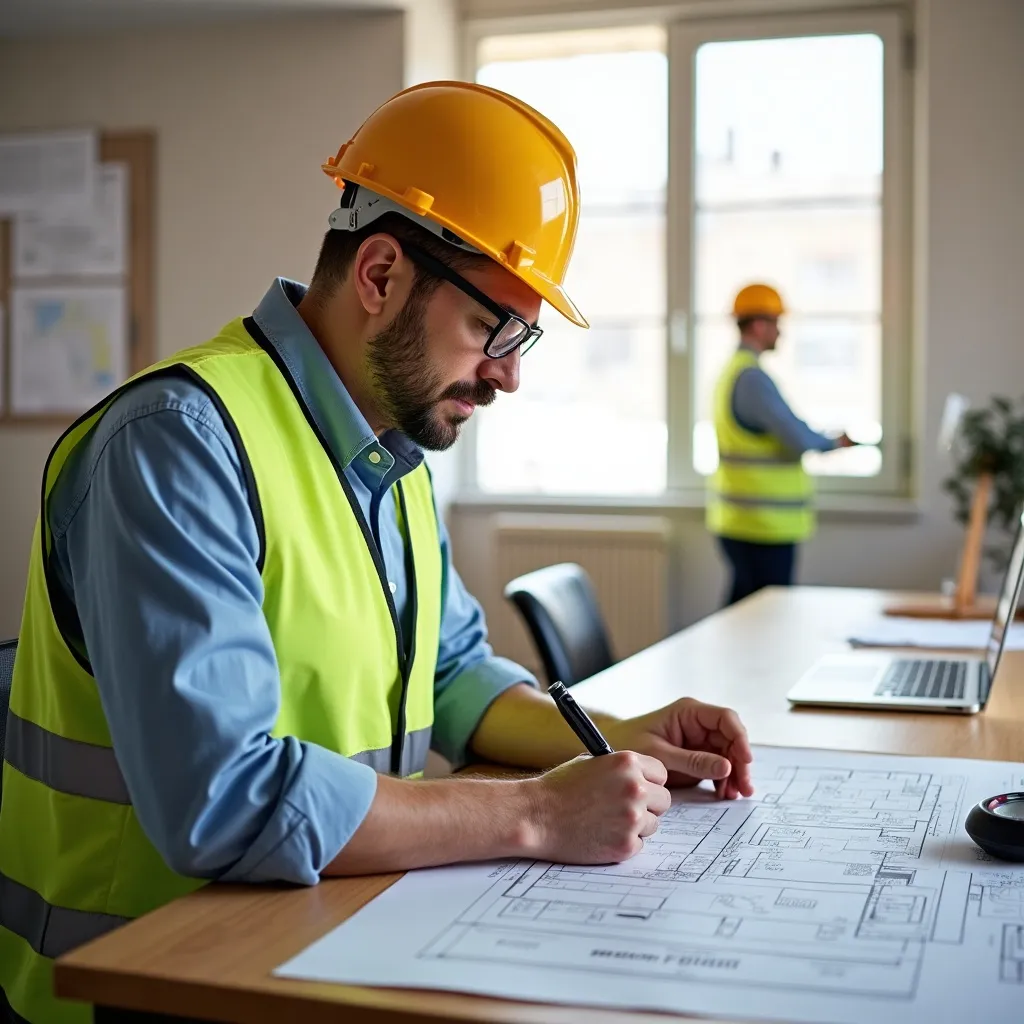
Typical Issues in Selecting a General Contractor
When choosing a general contractor, prospective customers often encounter several common challenges that can hinder the decision-making process. One major obstacle is the vast quantity of choices on offer, which can lead to uncertainty and hesitation. Customers may find it hard to distinguish among contractors based on credentials, background, and cost, rendering it challenging to determine who will best meet their construction requirements.
An additional setback is the opaqueness in contractor submissions, where hidden costs may emerge later, impacting the project budget. Additionally, clients may struggle with communication-related issues; some contractors may be remiss to keep clients informed across the engagement, inducing frustration. At last, clients often battle authenticating a contractor's recommendations and past work, which can bring about uncertainty about the quality of service expected. see more These hindrances necessitate intentional analysis and examination to guarantee the right choice is made.
Essential Nature of a Responsible General Contractor
A reliable general contractor plays an essential role in ensuring efficient project management and maintaining quality standards. Their knowledge helps optimize processes, reducing delays and costs. Additionally, a dependable contractor upholds high standards, resulting in superior craftsmanship and customer contentment.
Improve Project Management Performance
Successful project management relies on the dependability of a general contractor. A reliable contractor promises that deadlines are met, resources are properly distributed, and communication flows effortlessly among all stakeholders. Their ability to manage subcontractors, suppliers, and laborers has a direct influence on the project's progress and success overall. A dependable contractor predicts challenges, applies solutions quickly, and stays focused on goals, minimizing delays and controlling cost overruns. This efficiency creates a collaborative atmosphere, enabling adjustments and improvements as needed. Ultimately, the general contractor's reliability improves both the operational components of the project and the confidence among clients and team members, guaranteeing all stakeholders stay coordinated towards a successful conclusion.
Quality Assurance Standards
Reliable general contractors play a crucial role in upholding quality assurance standards throughout a project. They ensure that all work meets established guidelines and industry standards, which is vital for the longevity and safety of the structure. A competent contractor maintains rigorous oversight of materials and workmanship, conducting regular inspections to identify and rectify issues promptly. This proactive approach reduces risks associated with subpar construction, ultimately protecting the investment. Moreover, a reliable contractor fosters communication among all stakeholders, ensuring that expectations are clear and met. By prioritizing quality assurance, a skilled general contractor not only improves the final product but also establishes trust with clients, laying the groundwork for successful project outcomes.
Analyzing a Contractor's Track Record and Reputation
When picking a general construction firm, knowing their experience and reputation is essential, as these aspects heavily influence project results. A contractor's experience typically indicates their ability to manage various kinds of projects, complexities, and obstacles. Reviewing their portfolio gives perspective into past projects, displaying quality workmanship and meticulous attention to detail.
Furthermore, reputation plays a vital role in establishing trust. Prospective clients should seek online reviews, testimonials, and references to assess satisfaction levels from previous clients. Engaging with past customers can reveal the contractor's reliability, communication skills, and compliance with timelines and budgets.
Moreover, professional associations and certifications can fortify a contractor's credibility, indicating a devotion to superior work and ethical practices. By rigorously assessing both proficiency and prestige, clients can make informed decisions, ultimately creating the conditions for a successful construction project.
Vital Attributes of a Honest Contractor
A dependable contractor regularly demonstrates integrity, transparency, and strong interpersonal abilities. These vital qualities create the basis of a successful professional partnership. Integrity guarantees the contractor conforms to moral standards, offering truthful assessments and realistic timelines. Transparency involves fully disclosing assignment information, including expenses and potential challenges, building confidence between the contractor and the customer.
Powerful communication abilities enable the contractor to convey ideas effectively, grasp client needs, and tackle any issues that arise during the project. Moreover, a reliable contractor exhibits adaptability, responding to shifts and unexpected circumstances with composure and resilience. Keen attention to detail is another crucial trait; it reflects a commitment to excellence and accuracy in every component of the work. In essence, these characteristics not only strengthen project outcomes but also contribute to a positive experience for clients, making the appointment of a dependable contractor all the more critical.
Critical Questions to Address When Working With Your General Contractor?
How can a person ensure they choose the appropriate general contractor for their project? By posing a series of specific questions, potential clients can more effectively assess candidates. First, asking about the contractor's experience with comparable work gives insight into their expertise. It's also crucial to request for references; communicating with previous clients can show the contractor's trustworthiness and quality of work.
Subsequently, evaluating licensing and insurance ensures that the contractor fulfills legal standards and shields the client from unforeseen liabilities. Clients ought to also request information about timelines and project management methods to evaluate how the contractor will manage the project efficiently.
Budget talks are vital; requesting a thorough estimate prevents surprise costs later. Finally, understanding the contractor's preferred way of communicating can establish the foundation for a successful partnership. By tackling these important inquiries, clients can make informed decisions in choosing their general contractor.
Communication Is Critical With Your Contractor
Effective interaction with a contractor is vital for project achievement. Creating clear expectations and offering timely communications can eliminate miscommunications that often lead to costly delays. Additionally, encouraging an open conversation establishes rapport, ensuring a better working relationship throughout the construction effort.
Defined Criteria Drive Excellence
Defining precise expectations is necessary for a successful partnership with a general contractor. Effective communication lays the foundation for a mutual understanding of project goals, timelines, and budget constraints. When both parties convey their needs and concerns, it minimizes the risk of misunderstandings that may hinder progress. A contractor who understands the specific requirements can manage resources effectively and proactively handle potential challenges. Additionally, clear expectations promotes accountability, ensuring the contractor fulfills commitments and that the homeowner feels engaged in the process. By prioritizing open dialogue early on, clients can strengthen collaboration and satisfaction, ultimately resulting in a more efficient project delivery. Clear expectations not only optimize workflows but also foster trust between the homeowner and the contractor.
Rapid Updates Stop Misunderstandings
Clear expectations establish the foundation for efficient teamwork, but ongoing dialogue is just as essential. Prompt updates from a construction manager can avoid confusion that may occur during a project. When contractors regularly provide status updates, clients stay updated about timelines, budget changes, and possible obstacles. This proactive communication serves to align both parties' goals and minimizes the likelihood of disputes later on. Furthermore, when issues arise, prompt alert allows for quicker resolutions, guaranteeing the project remains on track. By fostering a culture of transparent communication, contractors show their dedication to the project's success, ultimately leading to a easier process and increased customer contentment. Consequently, timely communications function as a cornerstone for preserving understanding and trust throughout the construction process.
Open Discourse Strengthens Trust
During a project's progression, maintaining an candid exchange with the lead contractor becomes crucial for fostering trust and collaboration. Effective communication promises that all stakeholders have a precise understanding of expectations, timeframes, and potential challenges. When contractors and patrons participate in consistent dialogues, it facilitates for the spotting of troubles before they escalate, minimizing setbacks. This openness not only builds confidence but also enhances the overall project experience. In addition, an accessible communication channel encourages feedback, allowing the construction expert to make adjustments that satisfy the client's desires. Ultimately, strong communication forms a base of mutual respect, which is essential for the proper completion of any construction project. Confidence cultivated through dialogue leads to better outcomes for everyone taking part.
Common Inquired Questions
What methods can I employ to determine if a Contractor has been Licensed?
To determine if a contractor is licensed, one should examine local licensing boards or websites, authenticate their license number, and confirm it's active. Additionally, perusing online reviews can supply knowledge about their integrity and dependability.
What Risk Coverage Should My Contractor Carry?
A professional should carry general liability insurance, worker protection insurance, and, if applicable, negligence liability protection. These cover potential damages, job injuries, and quality failures, ensuring asset protection for both the contractor and the client.
How Do I Confirm a Contractor's References?
To verify a contractor's references, one should request a compilation of past customers, contact them directly, and inquire about their feedback. Furthermore, researching internet feedback and scores can offer valuable insights into the contractor's reliability.
What Should I Do if Problems Arise During the Undertaking?
If challenges occur during the project, one should record the difficulties, communicate directly with the contractor, and seek a resolution. If necessary, bringing in a neutral third party or consulting a legal professional may also be advisable.
Are There Red Flags to Monitor During the Hiring Process?
Caution signs throughout the recruitment phase include vague estimates, lack of references, substandard communication, inadequate licenses, and negative online reviews. These markers intimate potential issues that could alter the project's quality and timeline.
Report this page